Product Safety: Essential Tips for Safer Products
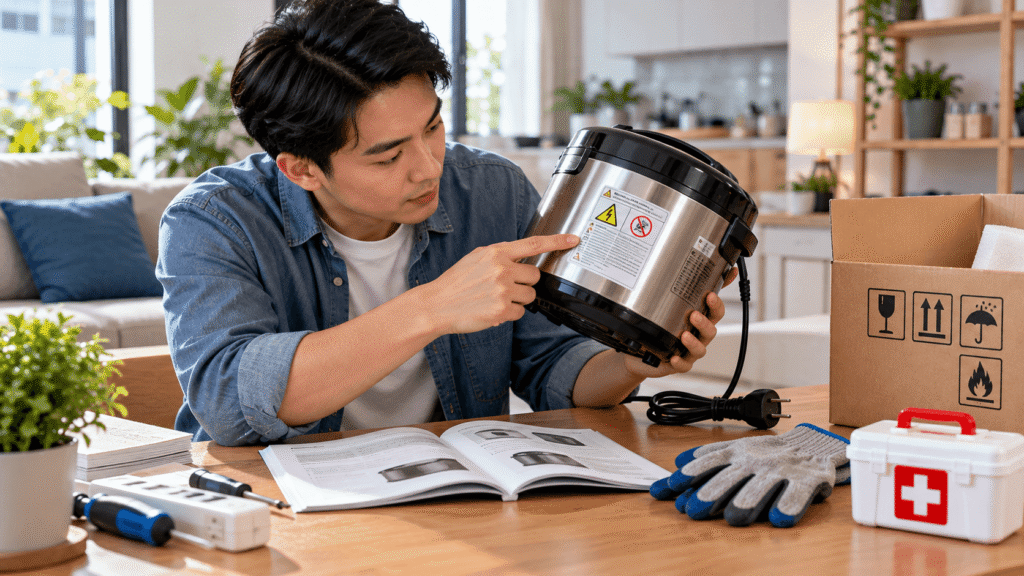
Everyday products make life easier, from kitchen appliances and cleaning supplies to children’s toys and personal care items. However, even familiar products can create risks when they contain defects, lack clear instructions, or are used incorrectly. Understanding product safety helps consumers make informed choices and reduce avoidable accidents at home and in the workplace.
Fortunately, you do not need to be a technical expert to identify basic warning signs. By checking product information, following instructions, and staying alert to potential hazards, you can build safer habits and protect the people around you.
1. Check Labels and Product Instructions
Product labels provide important information about safe use, ingredients, warnings, storage, and maintenance. Therefore, read the label before using an unfamiliar product, even if it appears simple.
For example, cleaning products may require ventilation, protective gloves, or specific dilution instructions. Similarly, electrical appliances may have limits on voltage, temperature, or operating conditions.
In addition, keep instruction manuals somewhere accessible. If you cannot understand a warning or symbol, consult the manufacturer’s official guidance before proceeding.
2. Look for Relevant Safety Standards
Safety standards help establish requirements for products within particular categories. Depending on the product and market, manufacturers may need to meet specific testing, labeling, or certification requirements.
Before buying an item, check whether its safety claims are legitimate and relevant. Look for certification details from recognized organizations or verify applicable requirements through official regulatory sources.
However, do not assume that every logo or certification mark proves a product is safe in every situation. Counterfeit marks and misleading claims can appear on online listings, so verify information whenever possible.
3. Buy from Reliable Sellers
Choosing a reputable seller can reduce the risk of purchasing counterfeit, damaged, or incorrectly labeled products. Whenever possible, buy directly from manufacturers or authorized retailers.
When shopping online, review the seller’s history, product specifications, return policy, and customer feedback. Be cautious if a listing uses copied photographs, provides little technical information, or makes unrealistic safety claims.
Price also deserves attention. Although discounts can offer genuine savings, an unusually low price may justify additional checks, particularly for electrical equipment, protective gear, and products intended for children.
4. Use Products According to Their Intended Purpose
A product may become dangerous when someone uses it outside its intended conditions. For instance, an appliance designed for indoor use may not withstand rain, while a household container may not be suitable for storing chemicals or food.
Consequently, follow the manufacturer’s instructions and avoid improvised modifications that could weaken protective features.
Furthermore, never ignore repeated warning signs such as unusual heat, burning smells, damaged cables, leaking containers, or broken safety guards. Stop using the product when you suspect a hazard and seek appropriate guidance.
5. Store Household Products Safely
Proper storage plays a major role in preventing accidents. Keep cleaning chemicals, medicines, batteries, and sharp tools in secure locations away from children and pets.
Whenever possible, retain products in their original containers because their labels contain essential safety information. Never transfer chemicals into food or drink containers, as someone could mistake the contents for something edible.
Also, separate incompatible chemicals and follow storage instructions. For example, never mix bleach with ammonia or acidic cleaners because the combination can release dangerous gases.
6. Inspect Products for Damage
Regular inspections can help identify problems before they cause injuries. Check electrical cords for fraying, plugs for damage, and appliances for cracks or unusual changes during operation.
For children’s toys, look for loose parts, sharp edges, damaged components, and age-inappropriate features. Likewise, inspect helmets, protective equipment, and other safety gear for damage that could reduce their effectiveness.
If a product appears unsafe, stop using it until you can determine whether repair or replacement is appropriate. Never attempt repairs that exceed your knowledge or contradict the manufacturer’s guidance.
7. Understand Product Recalls
A product recall occurs when a company or regulator identifies a safety issue that requires corrective action. Depending on the problem, the response may involve repairs, replacements, refunds, or instructions to stop using the product.
Therefore, keep purchase records for important household equipment and register eligible products when manufacturers offer that option. These steps can help you receive safety notifications.
If you discover a recall affecting a product you own, follow the official instructions carefully. Do not continue using an item simply because it still appears to function normally.
8. Teach Children About Product Safety
Children need clear, age-appropriate guidance about everyday hazards. Explain why they should not touch unfamiliar chemicals, play with electrical outlets, or use tools without adult supervision.
Meanwhile, adults should create a safer environment rather than relying on warnings alone. Use appropriate cabinet locks, secure heavy furniture, and keep small objects away from young children who may swallow them.
As children grow, involve them in simple safety routines. For example, teach them to read warning labels with an adult and report damaged items instead of trying to fix them.
9. Know What to Do When a Product Causes Harm
If a product causes an injury or appears to create an immediate danger, stop using it and move away from the hazard when safe to do so. Seek emergency assistance for serious injuries, breathing difficulties, severe burns, or suspected poisoning.
In addition, preserve relevant evidence when it is safe. Keep the product, packaging, receipt, photographs, and any available instructions. These details may help a healthcare professional, manufacturer, retailer, or regulator understand what happened.
Finally, report serious safety concerns through the appropriate official consumer protection or product safety channel in your country.
Conclusion
Product safety begins with informed purchasing decisions and continues throughout a product’s useful life. By reading labels, choosing reliable sellers, following instructions, inspecting items, and responding promptly to recalls, consumers can reduce many preventable risks.
Most importantly, never ignore warning signs or assume that a familiar product is automatically safe. A few careful checks can help protect your household and support more responsible consumer habits.
Frequently Asked Questions About Product Safety
1. What does product safety mean?
Product safety refers to measures that help ensure products do not create unacceptable risks when people use them as intended or under reasonably foreseeable conditions.
2. How can I check whether a product is safe?
Review its labels, instructions, applicable certifications, manufacturer information, recall status, and seller reputation.
3. What should I do if a product seems dangerous?
Stop using it, keep others away from the hazard, and follow the manufacturer’s guidance. Report serious concerns to the relevant authority.
4. Why are product recalls important?
Recalls alert consumers to identified safety problems and explain what steps they should take to reduce the risk of injury or damage.