Latest Retail Industry News and Market Trends Shaping the Future
The global retail landscape is undergoing a massive transformation driven by shifting consumer habits, rapid technological advancements, and economic changes. Therefore, industry professionals, brand owners, and savvy shoppers must stay informed about the latest developments shaping physical stores and e-commerce platforms. Although traditional shopping models face unprecedented challenges, innovative merchants continue to find creative ways to engage customers. Consequently, you should explore this comprehensive roundup of the latest retail industry news and emerging market trends.
Furthermore, this article examines how omnichannel integration, artificial intelligence, and sustainable supply chains are redefining the modern shopping experience. In addition, we will look at how brick-and-mortar stores are adapting to compete in a digital-first economy. Let us dive into the key industry updates below.
1. The Rise of Omnichannel Retail and Unified Commerce
Modern consumers no longer distinguish between online shopping and visiting a physical storefront; they expect a seamless experience across all channels. Because of this shifting expectation, leading retailers are heavily investing in unified commerce strategies.
- Click-and-Collect Growth: Curbside pickup and buy-online-pick-up-in-store (BOPIS) options continue to surge in popularity due to unmatched customer convenience.
- Inventory Transparency: Advanced software integration allows shoppers to check real-time stock availability across multiple store locations via mobile apps.
Nevertheless, synchronizing inventory databases across warehouse fulfillment centers and physical boutiques remains a technical hurdle for many legacy brands. Overcoming this hurdle is essential for long-term retail survival.
2. Artificial Intelligence and Personalized Shopping Experiences
Artificial intelligence is no longer just a futuristic concept in retail; it serves as the core engine driving personalized marketing and inventory forecasting. Retailers leverage machine learning algorithms to anticipate what customers want before they even search for it.
- Smart Recommendations: E-commerce platforms utilize AI to suggest complementary products based on past browsing history and purchase patterns.
- Virtual Try-Ons: Augmented reality (AR) mirror technology allows beauty and apparel shoppers to test products virtually, minimizing online return rates.
Although data privacy concerns persist, personalized shopping experiences consistently deliver higher conversion rates and stronger brand loyalty. Retailers must balance customization with transparent data practices.
3. Sustainable Retail Practices and Circular Economy Models
Eco-conscious shopping has shifted from a niche preference to a dominant purchasing driver, particularly among younger demographic cohorts. Consequently, major retail brands are overhauling their supply chains to embrace circular economy principles.
- In-Store Recycling Programs: Clothing brands now offer dedicated drop-off bins where consumers can recycle old garments in exchange for loyalty discount points.
- Reduced Packaging: Companies are rapidly replacing single-use plastics with biodegradable materials and minimalist shipping boxes.
Despite the initial costs of green manufacturing, sustainable retail initiatives attract loyal customers who prioritize environmental responsibility. Transparency in sourcing has become a powerful competitive advantage.
4. Experiential Retail: Transforming Stores into Destination Hubs
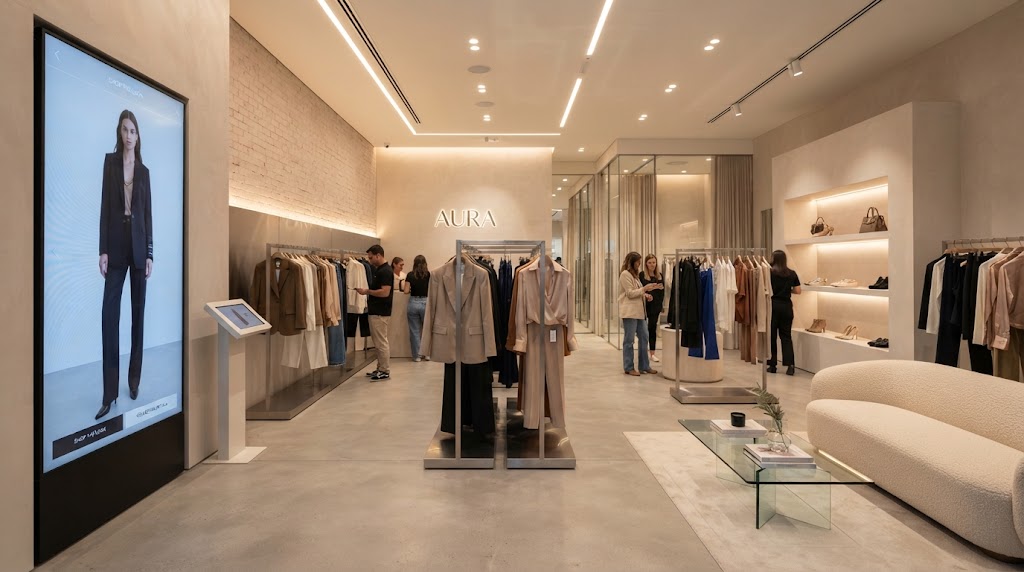
To compete against the undeniable convenience of e-commerce, physical storefronts are reinventing themselves as experiential destination hubs rather than mere product display shelves. Retailers now prioritize community engagement and entertainment.
- In-Store Workshops: Specialty shops host hands-on classes, DIY crafting workshops, and community events to draw foot traffic.
- Immersive Displays: Interactive product testing zones allow consumers to experience merchandise in engaging, sensory-rich environments.
As a result, forward-thinking shopping malls and downtown boutiques are successfully revitalizing customer foot traffic. People visit physical stores not just to buy items, but to seek memorable experiences.
5. Contactless Checkout and Frictionless Payments
Speed and convenience dictate modern checkout preferences, prompting retailers to adopt lightning-fast, contactless payment technologies. Long checkout queues are rapidly becoming a relic of the past.
- Mobile POS Systems: Sales associates equipped with handheld mobile terminals can ring up purchases anywhere on the store floor.
- Just-Walk-Out Tech: Computer vision cameras and smart sensors automatically charge customer accounts as they exit select convenience stores.
Ultimately, removing friction at the point of sale significantly improves overall customer satisfaction and reduces cart abandonment rates. Frictionless payment infrastructure is now a standard industry expectation.
Practical Ways for Consumers to Stay Ahead in Retail
Navigating the rapidly changing retail ecosystem helps shoppers secure the best deals and support innovative brands:
- Utilize Shopping Apps: Download official retailer applications to access exclusive digital coupons, loyalty rewards, and inventory alerts.
- Support Innovative Brands: Patronize companies that embrace eco-friendly packaging and transparent, ethical sourcing practices.
- Embrace Smart Returns: Familiarize yourself with digital return portals to streamline exchanges and reduce logistical waste.
Conclusion
Staying updated with the latest retail industry news reveals a dynamic marketplace driven by technology, sustainability, and immersive customer experiences. From omnichannel integration and AI personalization to experiential storefronts and frictionless payments, modern retail is evolving faster than ever. By understanding these market shifts, businesses and consumers alike can thrive in this digital era. Keep an eye on emerging retail trends as the future of shopping continues to unfold.