
Retail News: New Store Openings and Shopping Mall Trends
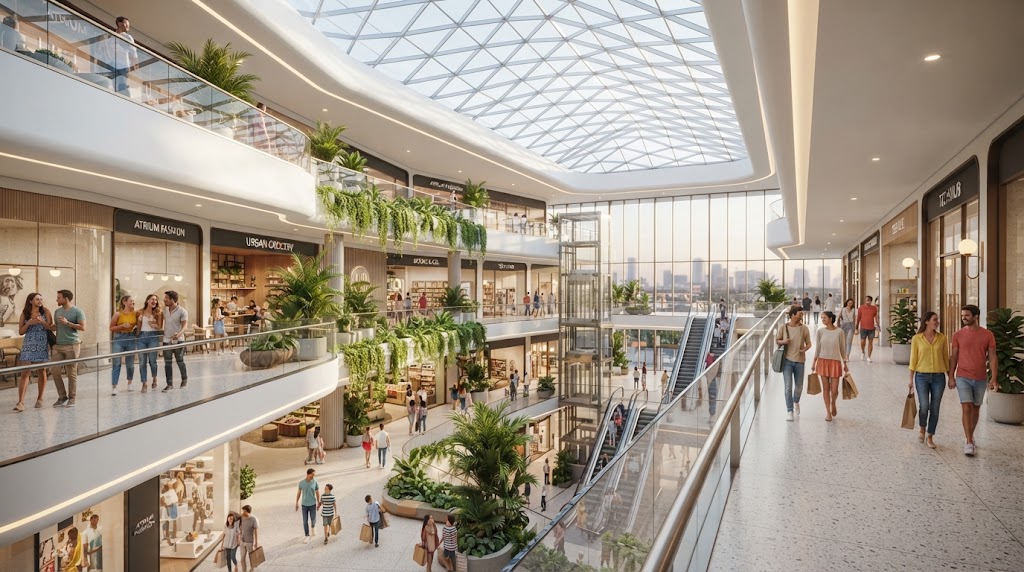
Physical retail spaces have undergone a remarkable transformation over recent years. While online shopping continues to grow, brick-and-mortar stores and shopping malls refuse to fade away. Furthermore, modern real estate developers and independent retailers reinvent physical locations by prioritizing immersive experiences over traditional product stacking. Consequently, new store openings and contemporary mall designs focus heavily on community engagement, entertainment, and lifestyle integration.
This comprehensive retail guide explores the most exciting shopping mall trends and physical store developments shaping the industry today. Every section breaks down actionable insights designed to help brands and consumers understand modern retail real estate. Let us dive right into the core mall developments below.
1. Experiential Retail: Shifting From Selling to Engaging
Traditional retail models relied entirely on rows of inventory and standard cash registers. Today, successful new store openings feature experiential concepts where browsing feels like an adventure. Furthermore, brands design interactive zones that encourage visitors to test products, attend live workshops, and capture shareable moments.
- Hosting Community Workshops: Stores regularly organize craft classes, fitness sessions, and artistic demonstrations to bring local shoppers together.
- Integrating Augmented Reality: Interactive digital mirrors and virtual try-on kiosks allow customers to explore full product catalogs instantly.
- Creating Immersive Brand Stories: Architectural layouts incorporate thematic lighting, sensory displays, and storytelling elements that reflect brand values.
2. The Rise of Mixed-Use Lifestyle Hubs
Modern shopping malls are evolving into comprehensive community hubs rather than simple collections of clothing stores. Real estate developers now integrate residential apartments, corporate offices, medical clinics, and green parks directly into commercial complexes. Therefore, visitors can live, work, dine, and shop in a single walkable destination.
- Expanding Dining Precincts: Food halls and artisanal dining terraces now occupy prime square footage, attracting evening crowds long after traditional shops close.
- Incorporating Wellness Spaces: Yoga studios, fitness clubs, and indoor wellness retreats establish permanent homes within modern commercial developments.
- Designing Open-Air Courtyards: Malls replace enclosed corridors with lush, landscaped outdoor plazas that host farmers’ markets and seasonal festivals.
3. Pop-Up Stores and Flexible Leasing Models
High rental costs and shifting consumer tastes encourage retail brands to embrace agility over long-term commitments. Pop-up stores and short-term lease agreements have become prominent fixtures in major shopping centers. Consequently, landlords maintain high occupancy rates while offering shoppers an ever-changing rotation of novel brands.
- Testing New Markets: Emerging direct-to-consumer brands use temporary spaces to gauge local customer demand before opening permanent storefronts.
- Generating Urgent Excitement: Limited-time pop-up installations create immediate exclusivity and drive high visitor foot traffic.
- Lowering Financial Barriers: Flexible leasing structures allow independent creators to showcase physical goods without massive upfront capital investments.
4. Sustainability in Retail Architecture and Operations
Environmental responsibility heavily influences modern shopping mall design and construction. Property developers increasingly prioritize energy efficiency, waste reduction, and eco-friendly building materials. In addition, eco-conscious shoppers actively patronize retail centers that demonstrate tangible commitments to sustainability.
- Installing Solar Roof Panels: Large commercial centers utilize rooftop solar arrays to power common area lighting and reduce grid dependence.
- Maximizing Natural Lighting: Architectural designs incorporate massive glass skylights to reduce artificial daytime illumination requirements.
- Implementing Comprehensive Recycling: Malls establish centralized organic composting programs and partner with tenants to minimize packaging waste.
Essential Tips to Make the Most of Modern Shopping Centers
To ensure your next physical shopping trip remains productive, enjoyable, and stress-free, keep these practical daily habits in mind:
- Check Mall Event Schedules: Visit the official shopping center website beforehand to discover weekend artisan markets, live music, or exclusive store opening promotions.
- Wear Comfortable Footwear: Modern lifestyle hubs span massive acreage, meaning supportive walking shoes are essential for exploring multi-level precincts.
- Utilize Valet and Digital Parking: Take advantage of smart parking reservation apps or valet services to save time during busy weekend visits.
Conclusion
Keeping up with retail news, new store openings, and modern shopping mall trends reveals an exciting future for physical commerce. From experiential retail concepts and mixed-use lifestyle hubs to flexible pop-up stores and sustainable architecture, physical spaces continue to reinvent themselves. Approach your next mall visit with curiosity and appreciation for innovative design. Explore the dynamic world of modern retail real estate today and discover how shopping centers enrich our local communities.